

 9 min
9 min Email isn’t going anywhere, no matter how many times people say it’s dead. For small service businesses—salons, physio clinics, coaches—it’s basically the one marketing channel where you still get to control the conversation. You don’t need a big budget or a marketing department; you just need to know best practices for email marketing. If you need a full overview, check out our guide to email marketing for small businesses. Right now, let’s focus on five practical tips you can start using today to get more out of every email you send.
Key takeaways
- A good subject line is everything. Make it personal and specific.
- Write like you’re talking to one person. It transforms your tone.
- Stick to one message per email, and make your call to action obvious.
- Consistency matters more than frequency.
- Only track your open and click rates to start. That’s enough.
Why your email list is so valuable
Before we get into best practices for email marketing, let’s talk about why your email list matters so much.
Your reach on social media isn’t really yours—it changes every time platforms update their algorithms. Your email list is different. If somebody hands you their email, you get to reach them directly, no middleman involved.
That direct connection pays off. Email marketing delivers an average return of around 36:1 — about £36 for every £1 spent.
If you’re a small business with 200 people on your list, that’s 200 people who asked to hear from you.
But most email results aren’t great. Usually, it’s not because you’re sending terrible emails. It’s some small missteps. Fix those, and watch the numbers climb.
Write subject lines they actually open
If the subject line flops, the rest of your email doesn’t matter. That’s the gatekeeper.
You want curiosity, specifics, and a clear benefit—all together.
Take “Monthly Newsletter.” People see it and say, “I’ll read that later,” which is code for “Never.”
3 things to do this week if your bookings are slow.
But if you say, “3 things to do this week if your bookings are slow,” people open it—same email, totally different result. The second one says what it’s about and why it matters right now.
Quick tip to save time this week.
Sound like a real person. “Quick tip to save time this week” will always win over “INSIDER SECRETS: OPEN NOW!” All caps scream spam, and people can sense that from a mile away.

Keep it short—under 50 characters is ideal since most people scan emails on their phones. A little longer is fine if it’s punchy and clear, but shorter is better than chopped off.
Here’s something a lot of people miss: the preview text. That line next to or just under your subject line is prime real estate. Use it as a second hook, not just a repeat of the subject.
Write to one person, not your entire list
This small change rewires your whole approach.
Picture one specific client. Write to them. That’s it.

You’ll find your writing gets friendlier and more direct. You use shorter sentences, normal contractions, and you sound like, well, yourself. This is the stuff that gets responses, bookings, and clicks. Otherwise, people just archive it.
Try reading your email out loud before you send. If it sounds odd, it’ll read odd too. Keep rewriting until it’s something you’d actually say if you bumped into that person at a coffee shop.
A little personal note at the top—one or two sentences about something that happened this week or a pattern you’re noticing—works wonders. It doesn’t need to be a diary entry; just enough to remind people there’s a real person behind the keyboard.
So, a beauty salon might say:
Had four clients ask about lash lifts this week—guess spring is here.
A physio could mention:
Lots of runners coming in with knee pain lately—must be marathon time.
It’s real, and the whole email suddenly feels more like a message and less like a sales blast.
Stick to one point per email, and keep the action simple
This is one of the most important best practices for email marketing. If you announce a new service, share a blog, push an offer, and ask for a review all in one go, no one will know what to do—so they’ll do nothing.
Pick one purpose for each email. One message. One call to action.
Book a spot this week
Make the action specific. “Book a spot this week” is clearer—and works better—than “Contact us for more information.”
Download the free guide
“Download the free guide” gets more clicks than “Click to learn more.” Remove the guesswork and friction and people will actually respond.
This isn’t a small thing: one widely cited marketing example states that emails with a single call to action get 371% more clicks than ones with lots of options. That’s not just a little better—it’s way better.
Same with links. Two is fine. Seven is chaos—plus, too many can trigger spam filters.
It can feel odd to only talk about one thing, but that’s how you build trust. Busy emails come off as just more marketing noise. Focused ones actually feel helpful.
Show up on a regular schedule
Forget about how often you “should” send. Focus on being dependable.
Three emails in one week, then six weeks of silence, is worse than just showing up once a week, every week. Consistency sets expectations. People start looking forward to your emails instead of unsubscribing out of annoyance.
For most, once a week or every other week works well. Don’t overthink the content—a quick tip, a brief update, something you noticed in the business. Short is fine.

There’s a technical reason too: if you drop off the radar and then suddenly email your whole list, servers start flagging you as spam. Sticking to a steady rhythm keeps your reputation clean and your emails out of the junk folder.
Pick a day and format you can stick to. Keep it up. That’s the whole game.
Watch just two numbers
You don’t need a fancy dashboard—just two stats: open rate and click rate.
Open rate tells if your subject lines are working.
Click rate tells if your content and calls to action are landing.
According to MailerLite, the median email open rate is about 43%, while the median click-to-open rate is around 7%. Don’t obsess over those numbers, but use them to check if you’re in the ballpark.
If one email suddenly does much better, figure out why—was it the subject? The topic? The timing? Spot the pattern and repeat it.
One more thing: keep your list clean.
Email services charge by the number of people you send to. If half your list never opens anything, that’s money down the drain. Send a quick message before removing someone.
Still want to hear from us?
If they don’t reply, let them go. A smaller, active list beats a big, dead list every day.
Three things to skip
Buying lists
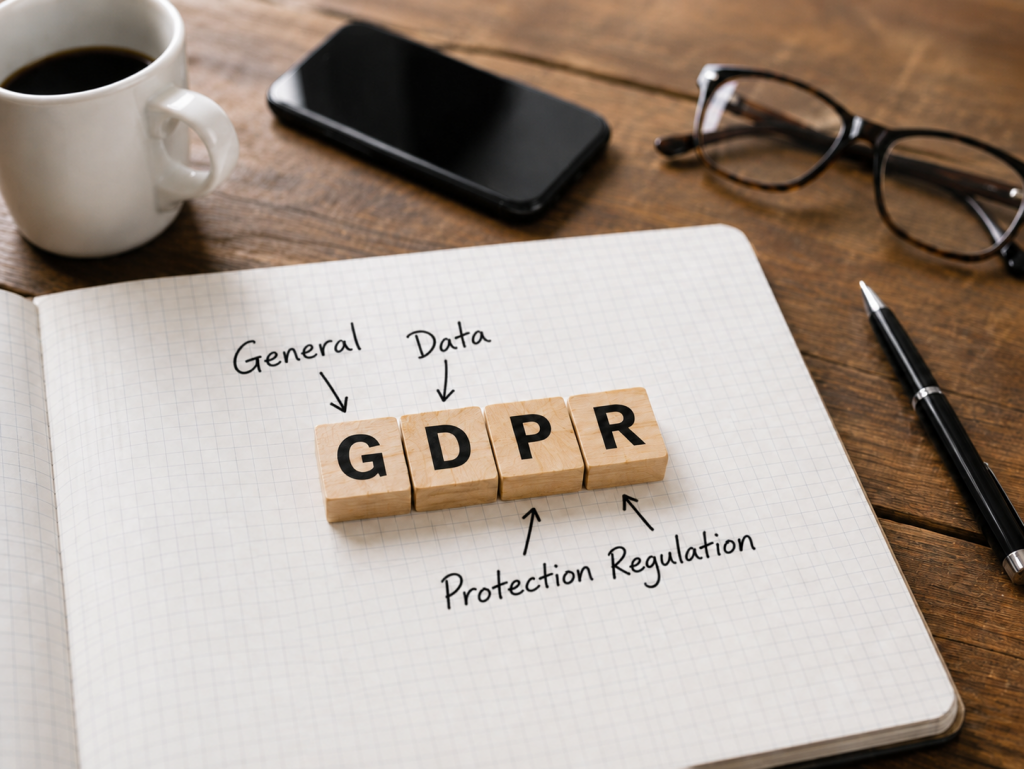
It’s illegal in the UK, thanks to GDPR (General Data Protection Regulation), and besides, cold contacts rarely buy—and your sender reputation takes a hit that’s hard to fix. Only email people who say yes to hearing from you.
Disclaimer: This is general information, not legal advice. Email marketing rules vary by country, so always check with a qualified legal professional to understand what applies to your specific situation.
Skipping the preview
Every platform lets you preview your email. Use it. Broken layouts and busted links kill trust fast, so always double-check—desktop and mobile.
Only sending promos
If every email pushes a sale, people will tune you out. Mix in tips, interesting stories, or something genuinely helpful. Then, when you do have an offer, people actually listen.
Putting it all together
The best practices for email marketing don’t need to be complicated. Before you send your next email, run through this quick checklist:
- Start with one clear goal. Decide what you want the reader to do before you write anything else.
- Write a specific subject line. Give people a clear reason to open the email, and use the preview text to add a little more context.
- Write to one person. Keep the tone natural, direct, and similar to how you’d speak to a client in real life.
- Stick to one main message. Don’t squeeze several updates, offers, and requests into the same email.
- Make the next step obvious. Use one clear call to action, such as booking an appointment, reading a guide, or replying to the email.
- Send on a schedule you can maintain. Once a week or every other week is enough if you can keep it consistent.
- Check your open and click rates. Look for patterns, learn what your audience responds to, and use that information in future emails.
- Keep your list healthy. Remove inactive contacts, never buy email lists, and only send to people who have agreed to hear from you.
You don’t need to fix everything at once. Pick one improvement for your next email, see what happens, and build from there. Small changes, repeated consistently, will do far more than a complicated email plan you never manage to follow.
Ready to level up your marketing?
Email is a great starting point, but it’s just one piece of the picture. If you’re ready to get more organised with your marketing, Peerie has your back—clear plans, ready-to-use templates, and resources built for small businesses.
Check out Peerie’s marketing plans →
FAQs about best practices for email marketing
What are the best practices for email marketing for small businesses?
The fundamentals are consistent across sectors: write subject lines that are specific and human rather than generic; write to one reader, not your whole list; include a single clear call to action in each email; show up on a consistent schedule; and track open rate and click rate to understand what's working.
How often should a small service business send marketing emails?
Once every one to two weeks is the right cadence for most small service businesses — enough to stay front of mind without becoming noise. What matters more than frequency is consistency. An email every Tuesday for six months builds more trust than three emails in one week followed by silence. Pick a schedule you can realistically sustain, and stick to it.
What's a good email open rate for a small business?
MailerLite's benchmark data from over 3.6 million campaigns puts the average open rate across all industries at around 43%. That figure varies significantly by sector and list quality, so treat it as a reference point rather than a hard target. If your rates are consistently well below that, the subject lines are usually the first place to look.
Is email marketing still effective in 2026?
Yes — arguably more effective than ever for small service businesses, precisely because social media reach has become less reliable. Your email list belongs to you; no algorithm decides whether your message gets delivered. The return on investment remains strong, and for businesses with modest lists of genuinely interested subscribers, the conversion rates often outperform every other channel available to them.
How do I grow my email list as a small service business?
The most reliable routes: a simple sign-up form on your website with a clear reason to subscribe (a free resource, a useful guide, a relevant offer), asking existing clients at the point of booking or checkout, and including a sign-up link in your social media bio. Avoid shortcuts like buying lists — they're illegal under GDPR and they don't work. Focus on building a small list of people who actually want to hear from you. That's worth more than ten times as many people who don't.